
As halal products continue to gain global popularity, consumers increasingly rely on visual indicators to quickly identify whether a product complies with Islamic dietary laws. One of the most important indicators is the halal certified logo which signals that a product has undergone an official verification process and meets halal standards. In markets such as Indonesia, Malaysia, and other Muslim-majority countries, the halal logo is more than just a marketing symbol. It represents regulatory compliance, consumer protection, and religious assurance.
What Does the Halal Certified Logo Mean?
The halal certified logo is an official mark placed on product packaging to indicate that the product has been verified as halal according to Islamic law. This certification confirms that the ingredients, production process, handling procedures, and supply chain comply with halal standards.
For Muslim consumers, the halal logo serves as a reliable assurance that the product is permissible for consumption or use. Without this verification, consumers may have difficulty determining whether a product meets halal requirements, especially when dealing with processed foods or complex ingredient lists.
Why the Halal Logo Matters for Businesses
Displaying a halal certified logo offers significant advantages for businesses. First, it builds consumer confidence by clearly showing that a product meets halal standards. Muslim consumers often prioritize products with verified halal certification when making purchasing decisions.
Second, the halal logo helps your business expand your market reach. Halal-certified products are widely accepted in Muslim-majority markets and are increasingly popular among global consumers seeking ethically produced and safe food products.
Third, halal certification can improve brand credibility and product transparency. Many consumers associate halal certification with higher standards of hygiene, quality, and responsible sourcing.
Official Halal Logo in Indonesia
Indonesia has one of the most comprehensive halal regulatory systems in the world. Therefore, understanding the official halal certified logo used in Indonesia is essential for businesses operating in the country.
- The BPJPH Halal Logo
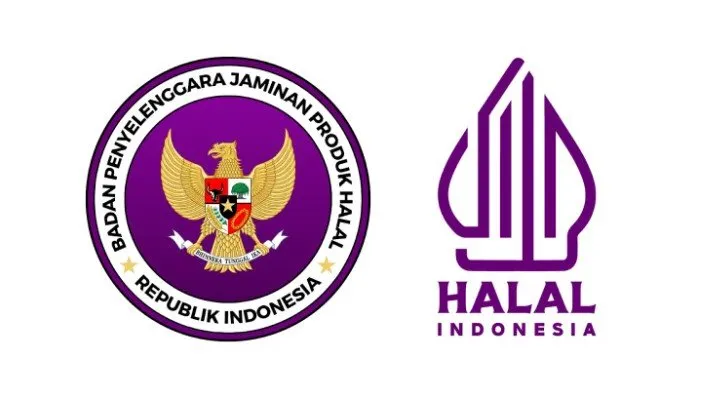
Indonesia currently uses the halal logo issued by the Badan Penyelenggara Jaminan Produk Halal (BPJPH), the government body responsible for halal certification under the Ministry of Religious Affairs.
The BPJPH halal logo was introduced as part of Indonesia’s Halal Product Assurance Law which established a national halal certification system. The logo features stylized Arabic calligraphy forming the word “halal,” combined with a distinctive geometric design inspired by Indonesian cultural patterns.
The new halal logo represents the official certification mark for halal products approved by the Indonesian government. Products that receive halal certification from BPJPH are allowed to display this logo on their packaging.
- Transition from the MUI Halal Logo
Before the introduction of BPJPH, halal certification in Indonesia was managed by the Majelis Ulama Indonesia (MUI), the country’s Islamic scholars council. The halal logo issued by MUI was widely recognized for many years and appeared on many Indonesian food products.
However, under the Halal Product Assurance Law, the responsibility for halal certification shifted to BPJPH. While MUI still plays a role in providing religious rulings (fatwas) regarding halal status, BPJPH is now responsible for issuing the official halal certificates and logos.
This change means that products newly certified in Indonesia must use the BPJPH halal logo instead of the older MUI logo.
Requirements to Display Halal Logo
Displaying the halal certified logo on a product is not simply a design choice. It requires full compliance with halal certification regulations. Several key requirements must be fulfilled before a company is allowed to use the halal logo. The requirements involve:
- Obtain Official Halal Certification
The most fundamental requirement is obtaining halal certification through the official certification process. Businesses must apply for certification, submit documentation, and undergo facility inspections before approval is granted. Only after receiving a valid halal certificate can a company legally display the halal logo on its products.
- Ensure Halal-Compliant Ingredients
All ingredients used in the product must meet halal standards. This includes raw materials, additives, flavorings, and processing aids. Certification authorities carefully review ingredient lists and supplier documentation to verify compliance.
- Implement a Halal Assurance System
You must implement a Halal Assurance System within your business operations. This system ensures that halal compliance is consistently maintained through documented procedures and internal monitoring.
The halal assurance system typically includes:
- Internal halal management policies
- Staff training programs
- Ingredient verification procedures
- Internal halal audits
- Follow Packaging and Labeling Guidelines
The halal logo must be displayed according to official labeling requirements. Companies must ensure that the logo is clearly visible and placed in an appropriate location on product packaging. The logo must not be altered, distorted, or modified in any way that changes its official design.
- Maintain Certification Validity
Companies must maintain compliance with halal standards throughout the certification period to continue using the halal logo. If certification expires or is revoked, your company must immediately remove the halal logo from its products.
Misuse & Legal Consequences
Using the halal certified logo without proper authorization is considered a serious regulatory violation in many countries, including Indonesia. In essence, this misuse will lead to:
- False Halal Claims
Displaying a halal logo without official approval can mislead consumers and undermine trust in halal certification systems. In this case, authorities may investigate companies suspected of making false halal claims.
- Improper Use of the Logo
Businesses may also face penalties if they misuse the halal logo. Examples of improper use include:
- Displaying the halal logo without certification
- Using unauthorized or modified versions of the logo
- Continuing to display the logo after certification expires
These violations can result in regulatory sanctions.
Meanwhile, companies found guilty of misusing the halal certified logo may face several consequences, including:
- Financial penalties or fines
- Product recalls from the market
- Suspension or revocation of business licenses
- Reputational damage and loss of consumer trust
For businesses operating in halal-regulated markets, ensuring proper use of the halal logo is essential to avoid legal and financial risks.
The halal certified logo plays a crucial role in helping consumers identify products that comply with Islamic dietary laws. In Indonesia, the halal logo issued by BPJPH represents official government-approved certification and provides assurance that products meet strict halal standards.
However, displaying the halal logo requires careful compliance with certification regulations, ingredient verification, and labeling guidelines. In other words, your business must ensure that the products undergo the proper certification process before using the logo.
Avoid Costly Mistakes, Let Watershore Help You Display Halal Approval Properly
Failure to follow the above rules can result in legal penalties, product recalls, and reputational damage. However, Watershore will assist you to avoid costly mistakes, meet regulatory requirements, and confidently display halal approval on your products.
From researching specific licenses to preparing and submitting paperwork, we provide ample assistance to ensure a smooth process. With our expertise, navigating the intricate regulatory requirements becomes effortless. We save you time and effort while ensuring legal compliance, so you can focus on growing your business with confidence. Contact Watershore today or chat with our team on WhatsApp to ensure your halal certification and labeling are handled with confidence and accuracy!
Sources:
https://www.hukumonline.com/berita/a/label-halal-ganti-logo–ini-bentuk-barunya-lt622cad073ef90/?page=2
https://infopublik.id/kategori/nusantara/614390/index.html
Image source:
https://bpjph.halal.go.id/detail/tentang-bpjph